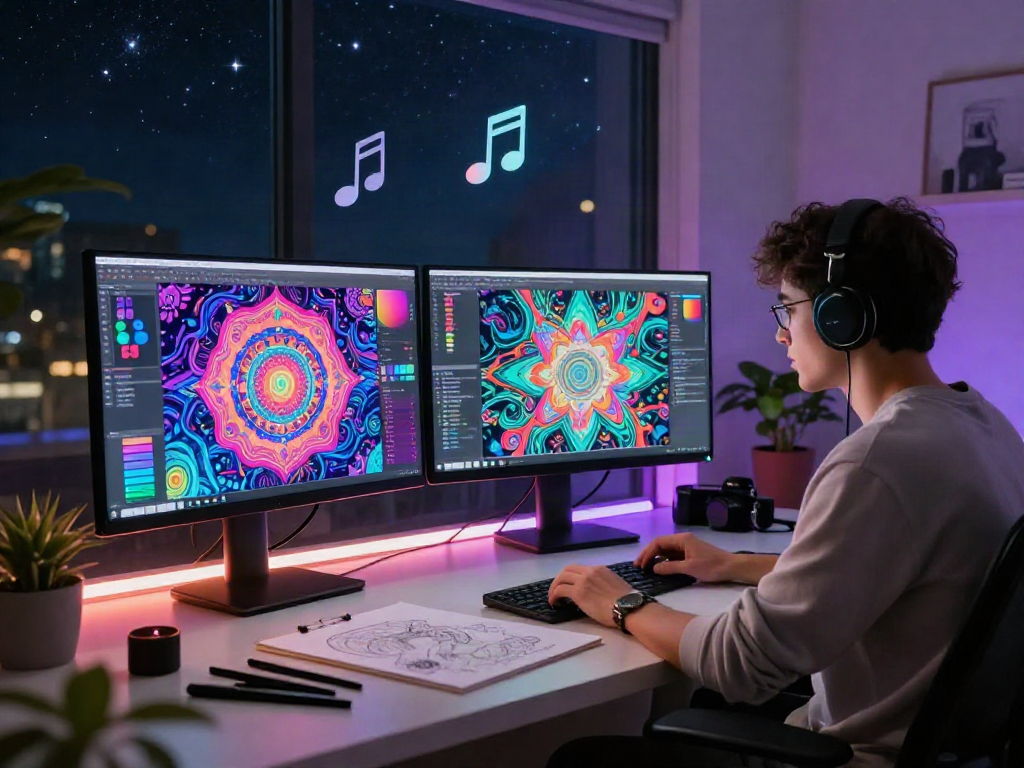
Understanding the Evolution of Digital Art with AI
The world of digital art is undergoing a transformative evolution, heavily driven by advancements in artificial intelligence (AI). As technology continues to mature, we find digital artists leveraging AI tools to push the boundaries of creative expression and redefine what it means to be an artist in the 21st century. The introduction of tools such as a porn ai generator plays a pivotal role in this shift, allowing for the creation of provocative and innovative works that challenge traditional artistic paradigms.
The Role of AI in Modern Art Creation
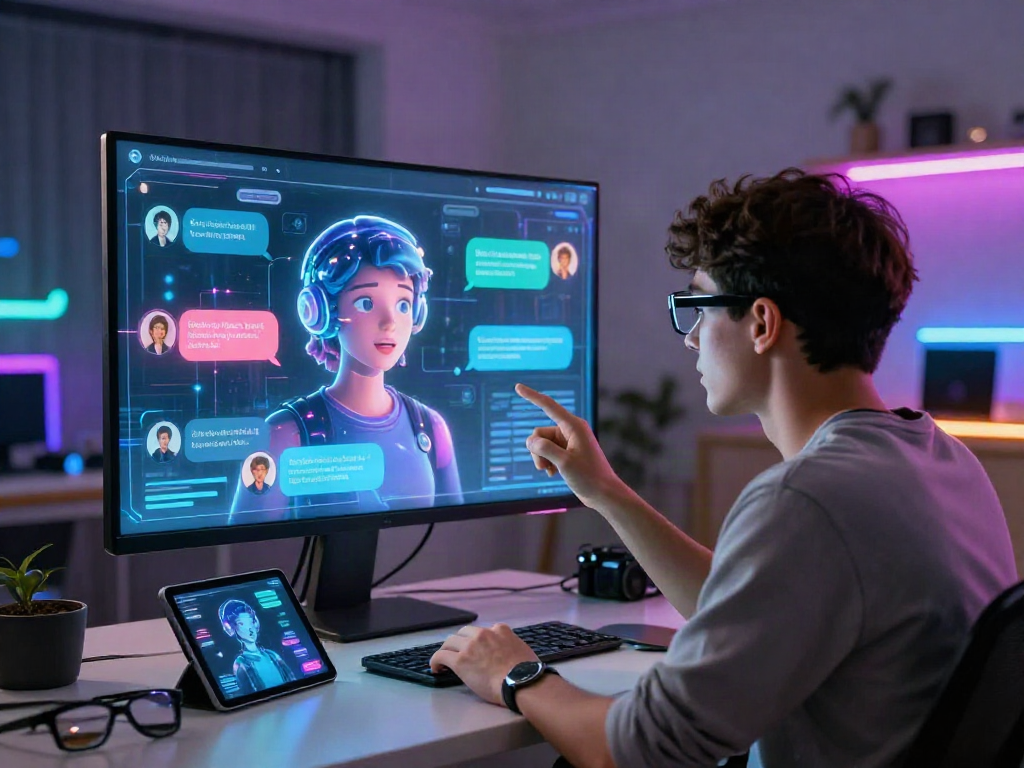
AI has established itself as a significant force in various creative domains, including visual arts, music, and literature. By employing algorithms that learn from vast datasets of existing artworks, AI can generate new pieces that reflect distinct styles or themes. This democratization of art-making tools brings forth an array of possibilities, enabling artists to experiment with unconventional techniques and collaborate with machines to produce unique outputs. Additionally, AI can analyze trends within art, offering insights that might assist artists in understanding audience preferences and market dynamics.
How Porn AI Generators Are Innovating Artistic Expression
Pushing the boundaries further, porn AI generators allow artists to explore sensuality and eroticism in ways that were previously constrained by social norms and artistic limitations. These tools can create hyper-realistic images and animations that emphasize form and detail, providing artists with a new medium to express their visions. The capability to simulate human anatomy and scenarios can open dialogues on sexuality, identity, and societal views, allowing creators to traverse both personal and broader cultural narratives.
Challenges and Opportunities for Digital Artists
While the advent of AI in art presents exciting opportunities, it is not without challenges. Artists must navigate issues related to copyright, originality, and the potential devaluation of traditional art forms. Furthermore, the integration of AI into creative processes raises questions about the role of human intuition and emotion in art. However, those who embrace these challenges can find new avenues for innovation, collaboration, and personal expression. By understanding and addressing these complexities, digital artists can harness the power of AI to elevate their work.
Key Features of Effective Porn AI Generators
User-Friendly Interfaces for All Creatives
A successful porn AI generator should have an intuitive interface that caters to both novice and experienced artists. A well-designed user interface minimizes the learning curve and allows users to focus on creativity rather than technical hurdles. Many of these generators now incorporate tutorials, community forums, and customer support, making it easier for users to navigate the tools at their disposal.
Dynamic Art Style Adaptation and Generation
One of the standout features of modern porn AI generators is their ability to adapt to various artistic styles. These generators can analyze user inputs and existing artworks to suggest stylistic choices that align with the creator's vision. This feature not only enhances creative expression but also allows artists to explore styles they may not have considered before, resulting in more diverse and engaging pieces.
Integration with Popular Art Software
Effective porn AI generators often provide seamless integration with popular art software, such as Adobe Illustrator, CorelDRAW, and various 3D modeling tools. This compatibility ensures that artists can easily incorporate AI-generated elements into their existing workflows, enhancing efficiency and facilitating a smoother creative process. By bridging the gap between AI and traditional tools, these generators empower artists to push their creativity further.
Real-World Applications of Porn AI Generators
Case Studies: Artists Embracing AI in Their Work
Many contemporary artists are already leveraging porn AI generators to create compelling works that challenge the norms of traditional art forms. For instance, an emerging digital artist utilized an AI generator to create a series of provocative images exploring themes of gender and sexuality, prompting discussions about identity and representation in art. These case studies exemplify how artists are not merely users of technology but are becoming co-creators with AI, significantly impacting the art world.
Commercial Use: Advertising and Product Design
The commercial sector is also rapidly adopting porn AI generators for advertising and product design. Brands looking to engage audiences through provocative imagery benefit from the versatility and creativity offered by AI-generated art. By utilizing these tools, companies can produce eye-catching advertising campaigns that stand out in a saturated market, driving consumer interest and enhancing brand identity.
Educational Purposes: Teaching Art with AI
In educational settings, porn AI generators can serve as powerful teaching aids. Art educators can use these tools to demonstrate concepts such as composition, color theory, and style adaptation. By incorporating AI into art education, instructors can equip students with contemporary techniques and encourage them to think critically about the implications of technology in art-making.
Best Practices for Utilizing Porn AI Generators
Combining Traditional Techniques with AI Innovation
While AI tools offer exciting possibilities, artists should strive to balance traditional techniques with AI innovations. This hybrid approach allows for the refinement of skills while embracing the efficiency and creativity that AI provides. By blending these methodologies, artists can produce works that resonate on multiple levels, engaging audiences both visually and intellectually.
Ethical Considerations in AI-Generated Art
As the use of porn AI generators becomes more prevalent, ethical considerations must be addressed. Artists should be aware of issues surrounding copyright infringement, consent, and the potential exploitation of sensitive themes. Engaging in critical discussions about these topics can help cultivate a responsible and inclusive art community that values the contributions of all creators.
Building a Personal Brand as a Digital Artist
In an increasingly competitive digital landscape, establishing a personal brand is essential for artists using AI tools. By developing a distinctive style and voice, artists can set themselves apart and attract a dedicated audience. Utilizing social media, online galleries, and community engagement can further enhance visibility, fostering connections that can lead to new opportunities.
Future Trends: The Next Frontier of AI in Art
Innovations on the Horizon for 2026 and Beyond
The future of AI in art is promising, with continuous advancements expected to reshape the creative landscape. Emerging technologies such as machine learning, virtual reality (VR), and augmented reality (AR) will likely integrate with AI, creating immersive experiences that engage audiences in unprecedented ways. These innovations will not only change how art is created but also how it is experienced.
The Impact of Emerging Technologies on Digital Art
As new technologies emerge, they will inevitably impact digital art creation and consumption. For instance, artists may begin to utilize blockchain for provenance and ownership, ensuring that AI-generated works maintain their value and authenticity. This secure verification method can foster trust in AI art, allowing creators to monetize their work effectively.
Community and Collaboration in the AI Art Space
The collaborative nature of AI tools enhances the communal aspect of art-making. Artists increasingly share their experiences and techniques within digital communities, fostering a culture of collaboration and support. This collective approach not only enriches individual practices but also contributes to the evolution of art as a whole, as diverse perspectives fuel innovation.
What is a porn AI generator?
A porn AI generator is a tool that uses artificial intelligence algorithms to create erotic artwork or animations. These generators analyze existing art styles, themes, and user preferences to produce unique outputs that can range from hyper-realistic images to abstract representations. The technology allows artists to explore new dimensions of sensuality and artistic expression.
How can I effectively use a porn AI generator for my art?
To effectively utilize a porn AI generator, artists should start by experimenting with different inputs, such as styles, themes, and subjects. It’s beneficial to become familiar with the generator’s features and capabilities, allowing for a more tailored artistic process. Combining AI-generated elements with traditional techniques can lead to innovative outcomes, enhancing creativity while honing one's skills.
Are there any ethical concerns with using AI in art?
Yes, ethical concerns abound when it comes to using AI in art. Issues of copyright, the authenticity of AI-generated works, and the representation of sensitive themes can pose dilemmas for artists. Engaging with these concerns is crucial in fostering a responsible art community that values creativity while respecting individual rights and narratives.
Can AI-generated art be sold or monetized?
AI-generated art can indeed be sold or monetized, provided artists navigate the associated legal and ethical considerations. As the market for digital art continues to grow, artists can capitalize on their unique creations, licensing their works or selling them through online platforms and galleries.
What skills do I need to succeed as an artist using AI tools?
To succeed as an artist using AI tools, one should have a fundamental understanding of both traditional art techniques and digital tools. Familiarity with AI functionality, an eye for aesthetics, and creativity are vital components of leveraging AI effectively. Continuous learning and adaptation will be essential as technology evolves and reshapes the art landscape.